
Product Overview
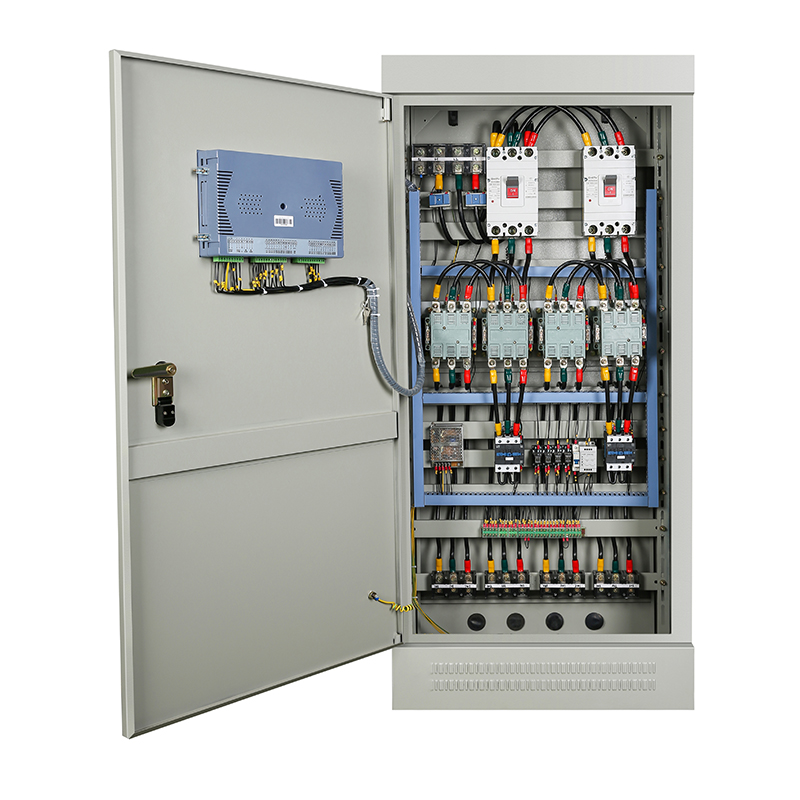
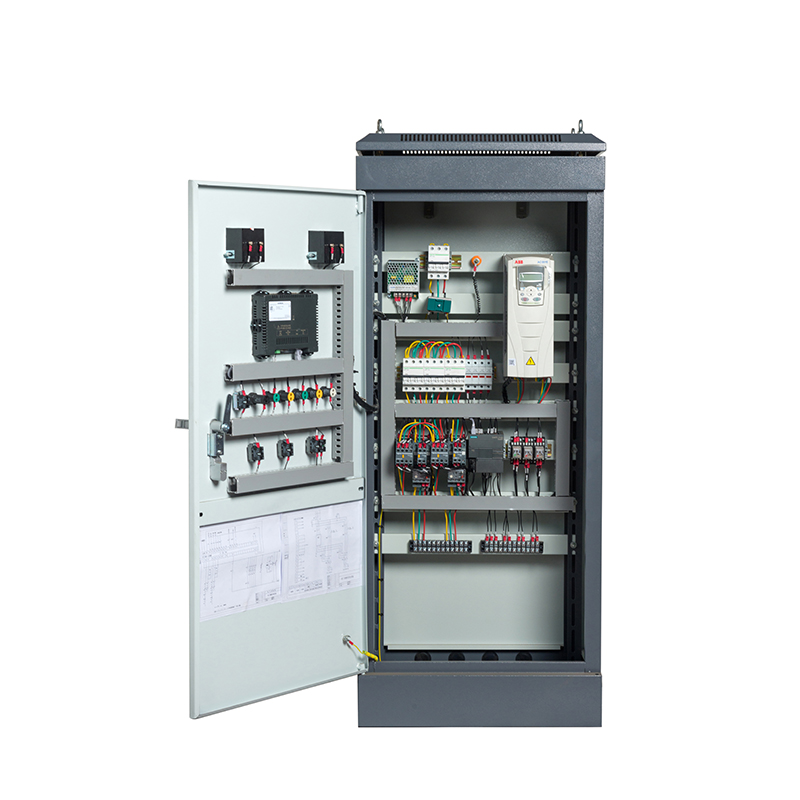
The CDBK Series Variable Frequency Control Cabinet uses high-quality electrical components and an intelligent control system. It automatically adjusts motor speed according to actual operating requirements, enabling stable, efficient, and automated equipment control.
This series is suitable for fire protection, domestic and industrial water supply and drainage systems, HVAC chilled and hot water circulation systems, as well as the control, starting, and operational protection of other AC motors.
Technical Parameters
Control Voltage: 380 V
Applicable Motor Power: 0.55–200 kW
Control Mode: Automatic variable frequency control
Applicable Equipment: Water pumps and other AC motors
Product Advantages
1. Intelligent Variable Frequency Control
The cabinet can automatically adjust the motor operating frequency according to changes in pressure, flow rate, liquid level, or system load, helping reduce unnecessary energy consumption.
2. High Level of Automation
After the operating parameters have been configured, the system can automatically perform starting, stopping, speed regulation, and operating mode switching, reducing the need for routine manual operation.
3. Stable and Reliable Operation
The cabinet is assembled with high-quality variable frequency drives and electrical components and can be equipped with appropriate operating protection functions to improve system stability.
4. Wide Matching Range
With an applicable motor power range of 0.55–200 kW, the cabinet can be used for single-pump, multi-pump, and other AC motor control systems.
Application Range
1. Domestic Constant Pressure Water Supply Systems
Suitable for variable frequency constant pressure water supply control in residential buildings, hotels, schools, hospitals, and commercial buildings.
2. Fire Water Supply Equipment
Applicable to the control and operation management of fire pressure maintenance pumps, auxiliary fire pumps, and related water supply equipment. The specific configuration should comply with the fire control requirements of the project.
3. Industrial Water Supply and Drainage Systems
Suitable for the automatic control of factory water supply, process water, industrial circulating water, and drainage pump systems.
4. HVAC Chilled and Hot Water Circulation Systems
Suitable for variable frequency control of central air-conditioning chilled water pumps, cooling water pumps, and heating circulation pumps.
5. Sewage Lifting and Liquid Level Control Systems
Suitable for sewage pumps, drainage pumps, and collection sump equipment. The system can automatically start, stop, or regulate pump operation according to liquid level changes.
6. Other AC Motor Equipment
Applicable to the starting, speed regulation, and operational protection of fans, circulation equipment, and other AC motor-driven equipment.
Certification
The CDBK Series Variable Frequency Control Cabinet can be supplied with relevant product and technical documents according to project requirements, including:
Product qualification certificate
Factory inspection documents
Electrical schematic diagram
Wiring diagram
Technical data sheet
Product operation manual
For projects requiring designated component brands, testing standards, special certifications, or third-party documents, please specify the requirements during the inquiry stage. Final documentation shall be subject to the confirmed technical agreement and actual supply scope.
OEM Customization Service
We can provide OEM customization services according to different equipment and project requirements, including:
Control cabinet power and capacity matching
Single-pump or multi-pump control solutions
Constant pressure, liquid level, temperature, or flow control
Manual, automatic, and remote control modes
Selection of variable frequency drive and major electrical component brands
Customized cabinet dimensions, colors, nameplates, and markings
Communication interfaces and remote monitoring functions
Customers may provide the motor power, number of units, control logic, operating mode, sensor type, and operating environment. Our team can assist with the design of the control solution.
Installation Instructions
Before installation, confirm that the control voltage, motor power, wiring method, and control requirements match the connected equipment.
Install the control cabinet in a dry, well-ventilated location without strong vibration, and leave sufficient space for heat dissipation and maintenance.
Connect the power cables, motor cables, control cables, and grounding wires according to the electrical drawings, and ensure that all terminals are firmly secured.
Before energizing the cabinet, check the insulation, grounding, phase sequence, protection parameters, and variable frequency drive settings to prevent wiring errors.
During initial commissioning, test both manual and automatic operating modes and confirm that the motor rotation direction, operating frequency, protection functions, and control logic are correct.
Frequently Asked Questions
The cabinet power rating should be determined according to the motor rated power, rated current, starting method, number of controlled devices, and actual operating load. The cabinet capacity should not be lower than the actual operating requirements of the connected motor.
Yes. Depending on project requirements, the cabinet can be configured for one-to-one control, duty and standby pump operation, multi-pump parallel operation, scheduled pump rotation, and variable frequency pump staging.
Yes. The cabinet can receive signals from a pressure sensor and automatically regulate pump speed through the variable frequency drive to maintain pipeline pressure within the preset range.
Yes. The cabinet can normally be configured with manual, automatic, and stop modes for equipment commissioning, routine operation, and emergency operation.
Depending on the configuration, the cabinet can provide overload, overcurrent, overvoltage, undervoltage, phase loss, short-circuit, overheating, and dry-running protection. The actual protection functions are subject to the confirmed control solution.
Common causes include fluctuating sensor signals, incorrect parameter settings, significant changes in system water demand, electrical signal interference, or unsuitable feedback control parameters. The signal wiring and variable frequency drive parameters should be checked.